
The Forge
Basra, Al-Kut & Ramadi

Basra, Al-Kut & Ramadi
2003–2004 Clearing the Fields of Submunitions

I remember walking into villages that looked like something had died out of the ground, as if a blight had swept through and stolen the life force from the very soil. At first glance, it looked like a failed crop – endless rows of brittle, uniform sticks poking up out of the dirt, scattered across what should have been fertile farmland. But a chilling realization quickly dawned: those weren’t plants. Those innocuous sticks marked the death traps we were there to deal with, the lingering shadow of a conflict that had moved on, but left its silent killers behind.
M42 Submunitions: The Hidden Scourge
They were M42 submunitions, little baseball-sized bomblets, insidious in their design and devastating in their potential. These weren’t dropped individually; they were unleashed by the thousands from larger cluster munitions during earlier strikes. When they deployed correctly, their shaped charges and fragmentation were designed to shred armor or dismember infantry, a brutal efficiency born of military necessity. But what we were encountering, what truly haunted these fields, were the duds – the bomblets that, for whatever reason, didn’t detonate on impact. Instead, they lay there, dormant but deadly, mixed in with the very fabric of daily life: the rich earth of farmland, the dusty thresholds of doorways, and the sun-baked stones of village courtyards. Some were stuck in the dirt at odd, precarious angles, their “pigtail” fuzes bent and contorted, but still terrifyingly live, a hair-trigger away from explosion.
The locals, with an instinct born of survival and a deep-seated understanding of their land, had developed their own grim marking system. They would stick branches in the ground, simple yet profound markers, to indicate where these hidden dangers lay. Sometimes, whole fields looked like a macabre forest of dead saplings – but every single one of those sticks, every silent sentinel, meant a live submunition was waiting. Waiting for a child taking a shortcut through the fields to school, for a farmer tilling his ancestral land, or for one of us, the soldiers, to make the slightest wrong step. The sheer ubiquity of these markers painted a stark picture of a landscape held hostage by unseen threats.
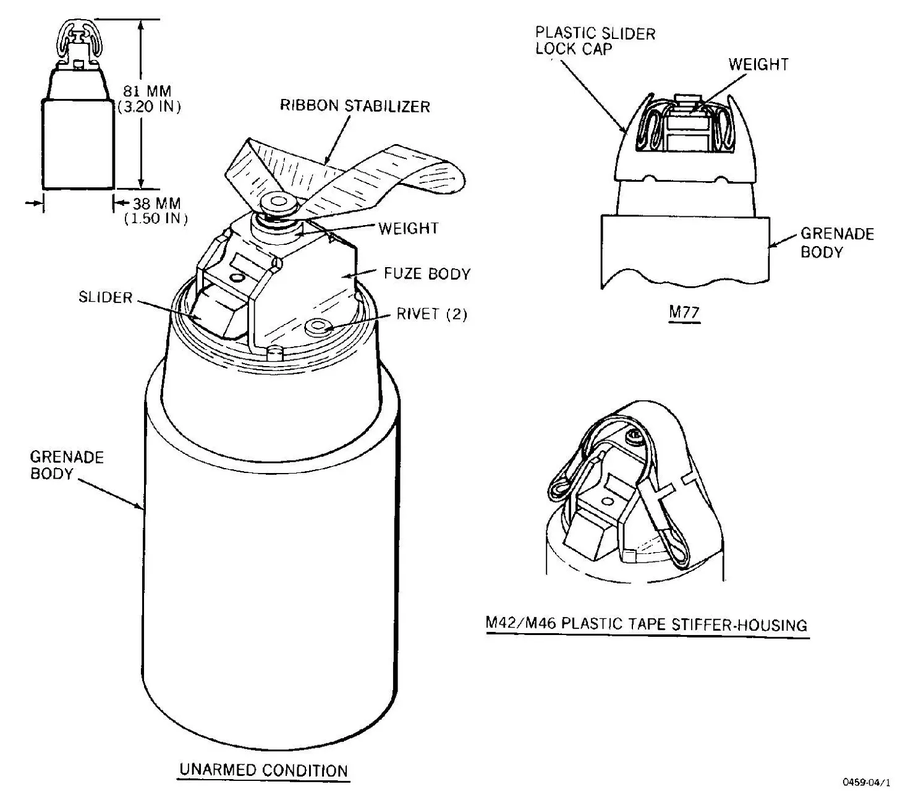
Clearing 1,500 M42 Submunitions: A Surgical Endeavor
Our mission, our singular, all-consuming job, was to clear them. This wasn’t a quick sweep or a perfunctory task. We were talking about over 1,500 unexploded submunitions in that environment alone, and that was just one area. Multiply that across the region, and the scale of the problem was staggering. Thousands upon thousands of tiny bombs, each one a miniature harbinger of death, capable of killing or grievously maiming with its contained explosive force and shrapnel.
The work demanded a level of focus and precision that bordered on the obsessive. We’d move slowly, meticulously, almost surgically, through the fields, our senses heightened, every muscle taut. The danger was a constant, suffocating presence that never let up. With M42s, there’s no “safe angle” or a forgiving side. Any disturbance – a misplaced boot, a vibration from nearby equipment, even a strong gust of wind – could be enough to finish what the fuze started when it first hit the ground. It was a dance with oblivion, each step a calculated risk.
We would spend agonizing hours in that unforgiving landscape, the relentless sun beating down, sweat dripping incessantly into our eyes, blurring our vision, but never our focus. Every single step was deliberate, carefully placed, testing the ground before committing. You don’t rush through a minefield of submunitions; haste was an invitation to disaster. We’d identify, mark, clear, and destroy – a repetitive, painstaking cycle, carried out over and over again, until the ground, once a canvas of hidden death, was finally safe enough for the locals to walk without the debilitating grip of fear. For me, those fields, with their silent sticks and unseen perils, are burned into memory just as vividly as the chaotic, adrenaline-fueled firefights and the tense, nerve-wracking IED sweeps. It wasn’t glamorous work, far from it. There were no medals for carefully picking bomblets out of the dirt, no cinematic heroics. But it was profoundly impactful; it saved lives. Clearing those bomblets, one by one, methodically and painstakingly, kept entire villages alive, allowing them to reclaim their land and their sense of security.
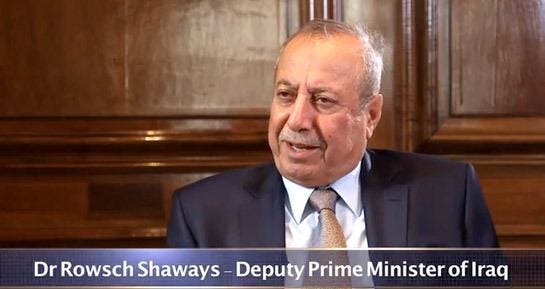
Basra, 2004–2005 – Advance for Vice President Dr. Rowsch Nuri Shaways
The night air in Basra clung heavy, a suffocating blanket of dust and tension that seeped into your bones. It was a city perpetually on the edge, a crucible of simmering grievances and sudden, violent eruptions. In this volatile landscape, four of us pushed into the heart of the city when every other operational unit had been ordered to stand down. The British Ambassador had issued an unprecedented directive, grounding all contractors and effectively silencing the usual, bustling flow of commercial teams and non-essential personnel. This was not a typical mission; we were the exception—the advance team, operating under a veil of absolute necessity.
Our mission, cloaked in absolute secrecy, was to prepare the ground for Dr. Rowsch Nuri Shaways, the Kurdish Vice President of Iraq. His presence in such a contested city was a strategic move, a visible assertion of governance in a place often perceived as beyond central control. No one outside of our immediate, tightly-knit circle knew the true purpose of our foray into Basra. In a place as volatile as this, where alliances shifted like desert sands and loyalties were perpetually questioned, a single whisper to the wrong ear could unravel the entire operation before it even had a chance to begin. The stakes were not merely professional; they were existential.
The Approach
The journey to the government compound was a brutal prelude, a visceral baptism into the city’s inherent dangers. The oppressive darkness was punctuated by the terrifying scream of rocket fire tearing through the night. The guttural thud of a launch, a sound that resonates deep within the chest, was invariably followed by the terrifying whistle of ordnance arcing through the air, sending concussive shockwaves through our armored convoy. Our comms guy—the SEAL lead of the advance team, whose experience in such environments was undeniable—called it up immediately, his voice tight with an urgency born of grim experience: Abort this route. Do not push.
But the protective detail, their heavy vehicles already committed to the treacherous path, rumbled forward. There would be no second chances; the momentum of the convoy, coupled with the immediacy of the threat, precluded any retreat. My gut tightened into a knot of cold dread, a familiar sensation in these landscapes where life hung by a thread, but there was no room for hesitation, no space for doubt. The mission, already fraught with peril, had just become infinitely more precarious, each meter gained a gamble against an unseen enemy.
Inside the Hive
When we finally breached the compound, it was like stepping into a disturbed beehive, the air thick with an unsettling energy. Hundreds, perhaps even a thousand armed locals, filled every stairwell, courtyard, and corridor. Weapons slung casually across their shoulders, eyes sharp and suspicious, they tracked our movements relentlessly, their gazes like invisible threads pulling at our composure. The uncertainty was a palpable weight: Who among them was allied with insurgent militias? Who was genuinely loyal to the nascent government? Who was merely waiting for a signal, a flash of perceived weakness, to open fire? There was simply no way to know, and this ambiguity was perhaps the most potent weapon wielded against us.
We spoke little, our voices kept low, our radios maintained a whisper-quiet discipline. Every gesture, every subtle glance, carried a weight of unspoken meaning, a coded language of caution and precision. Silence became our most effective shield, a psychological barrier against the pervasive hostility. We moved with a calculated precision, a practiced dance of security: securing critical rooms, meticulously checking for vulnerabilities, ensuring the availability of food and water, and corralling the restless press into designated, controllable areas. We weren’t attempting to build an impregnable fortress; our objective was far more immediate and tactical: we were buying time. Just enough time for our principal, Dr. Shaways, to execute his critical engagements.
To our surprise, amidst the tension, the locals, in small, almost imperceptible ways, offered assistance—holding doors open, guiding the press with gestures, subtly managing the flow of people. They didn’t know who was coming, and critically, we didn’t correct their assumptions. This delicate balance of deception and cooperation, of unspoken alliances and unrevealed truths, was the razor’s edge upon which our survival depended.
The Arrival
The air within the compound shifted perceptibly when Dr. Shaways finally entered. A hushed silence, almost reverent in its intensity, fell across the building. He moved with a quiet dignity, a man accustomed to the weight of his office even in the most perilous of circumstances. He sat, ate a spartan meal, and then delivered his press conference under the relentless flash of cameras and the low murmur of translators. To the outside world, observing from a safe distance, it was merely politics as usual—another routine engagement in a war-torn land. To us, however, it was standing inside a live SIGACT (Significant Activity), a volatile situation waiting for the smallest spark to ignite into a catastrophe.
Every second stretched thin, elongated by the suffocating weight of anticipation. My eyes scanned the crowd, a relentless hunt for any tell: a hand too close to a trigger, a sudden twitch of nervous shoulders, eyes that darted with an intent beyond mere curiosity. Memories of other attacks, grim reminders of past horrors, haunted the edges of my awareness—the sickening impact of suicide bombers at recruiting stations, the insidious danger of homes wired to detonate on entry, the sudden, brutal efficiency of an ambush. Even years later, official reports would confirm the same patterns: leaders specifically targeted, government buildings meticulously rigged with explosives, ambushes expertly set for unsuspecting soldiers. That very building could easily have been one of them. The chilling thought lingered: Maybe it already was.
But somehow, against all probabilities, against the grim statistics of the conflict, it wasn’t.
Exfil
The conference concluded. We exfiltrated from the compound as quietly and efficiently as we’d arrived, a ghost in the machine of Basra’s chaotic heart. No detonations shook the ground. No ambush erupted from the shadows. No casualties marred our perfect record. On paper, it was flawless—a seamless operation executed with textbook precision. In reality, it felt like crossing a rope bridge suspended over a roaring inferno, blindfolded, with the chilling awareness that the ropes could snap at any second, sending us plummeting into the abyss.
Success that night wasn’t a product of luck. It was the direct result of absolute control. Control of movement—no sudden actions that could spark panic among the armed locals, no erratic gestures that could be misinterpreted as a threat. Control of communications—tight, disciplined, denying insurgents any actionable intelligence, any hint of our intentions or vulnerabilities. And most critically, control of fear—keeping it from betraying us, from manifesting in any way that could be perceived as weakness or an invitation to strike. We walked the razor’s edge, maintaining a façade of calm and normalcy, giving the crowd no reason to panic, no subtle cue for insurgents to strike. And against all odds, we made it across.
Ramadi, 2006
IED Saturation
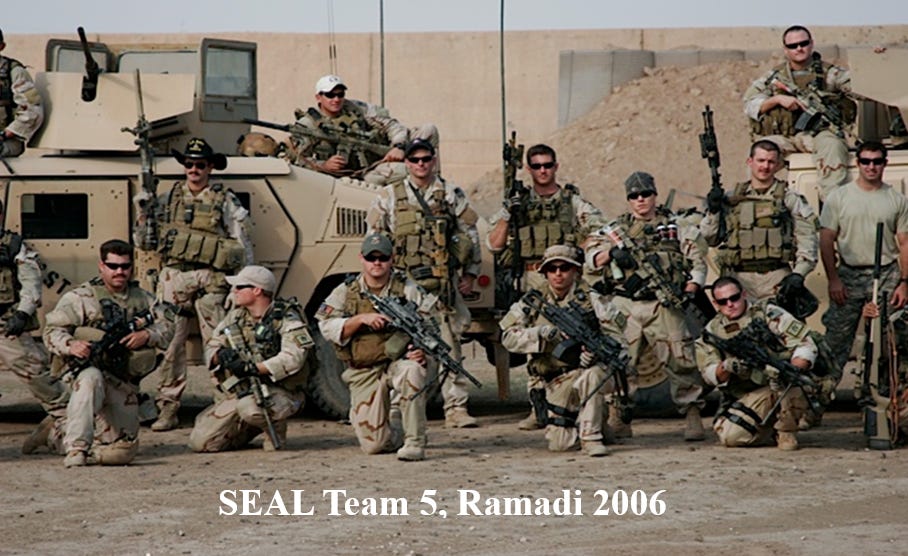
Ramadi in 2006 was ground zero for the evolution of modern asymmetric warfare. The insurgency had perfected its most devastating weapon: the Improvised Explosive Device. Our mission as Navy EOD was brutally simple but endlessly complex—clear the explosive impediments so SEALs could keep pressing the assault, never slowing, never losing momentum.
We had no robots, no bomb suits, none of the heavy tools of later wars. Just tactical gear, body armor, explosives, and whatever we could carry in our packs. Against us, the enemy deployed endless creativity and cruelty. Thirty to forty IEDs detonated daily in a city the size of my hometown, Spokane. Add in AK fire, RPGs, grenades—the battlefield was a layered gauntlet of ballistic and explosive threats.
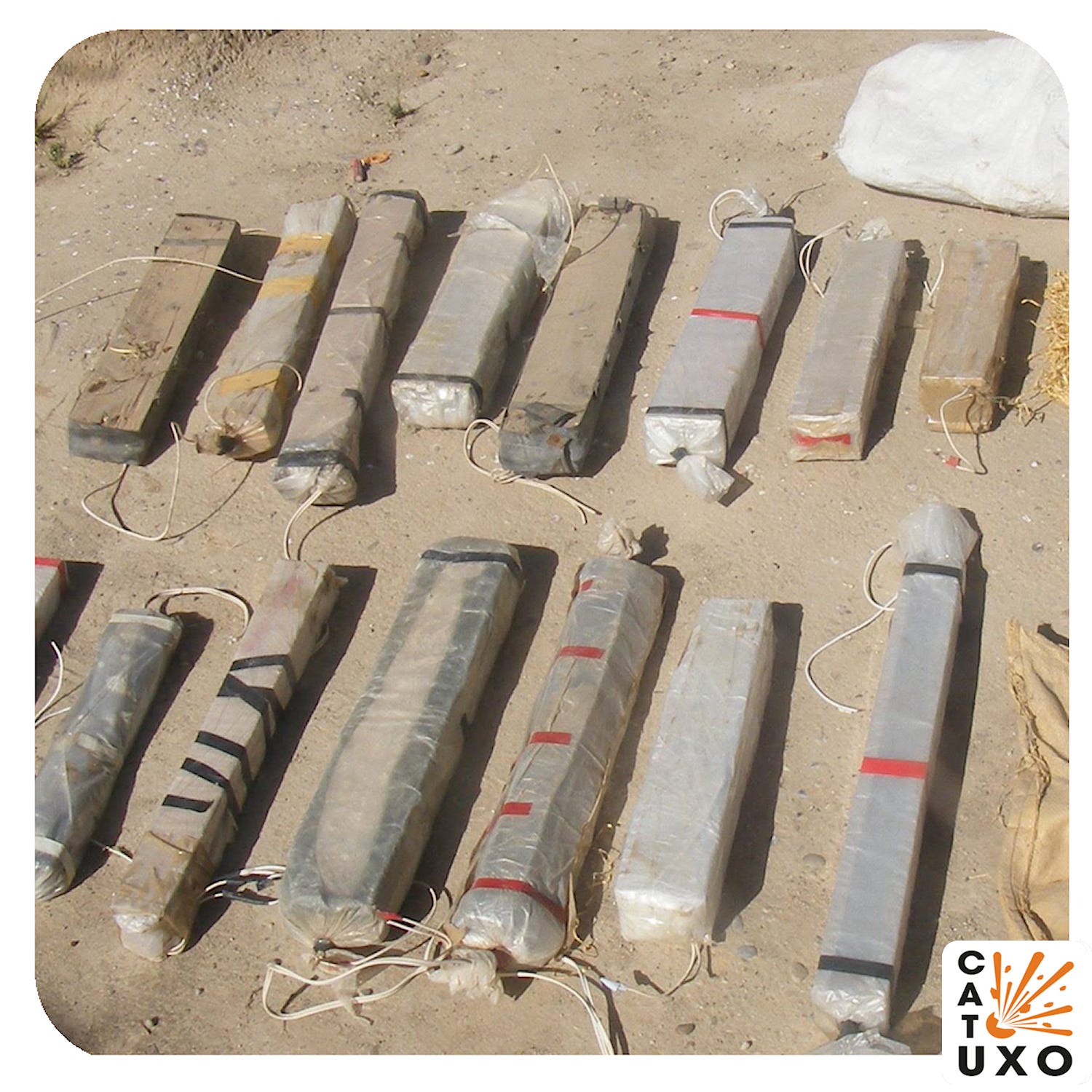
IEDs came in every imaginable form: buried under curbs, stuffed in animals dead or alive, concealed in freshly paved roads, triggered by pressure plates, timers, radios, command wires, or in combinations meant to outwit even the sharpest eye. Homemade explosives mixed with fertilizers, accelerants like diesel or gas, even chemical agents—chlorine, mercury—designed not only to maim but to poison. The creativity was staggering, the cruelty bottomless.
It often felt like chasing the tail of a monster. Every step, every turn of the road, was rolling dice with death. And yet, our task remained: communicate, mark, circumvent, clear, disrupt, blow in place. Keep the SEALs moving forward.
The Mission
That deployment was my third in Iraq, and it was by far the worst. Magnificent in its camaraderie, horrendous in its cost. There were eight EOD men attached to SEAL Team Five—one officer, one Senior Chief, one Lead Petty Officer, and five of us “knuckle-draggers.” My responsibility: EOD team leader for Task Unit Ramadi.
Every mission started with hours of SIGACT study, poring over IED activity in our AO. Ninety-five percent of the job was analysis: trends, patterns, and predictions. We briefed point men, drivers, breachers, snipers—everyone had to know what to expect. Still, it felt like throwing dice into the dark.
One mission in particular burned itself into me. We were tasked to overwatch an Iraqi police station so they could recruit officers—a simple objective in theory, in practice a nightmare. Insertion was by boat, Marines ferrying us up the Euphrates. Their acronym was DSU, but we called them “Don’t Show Up.” The name would prove prophetic.
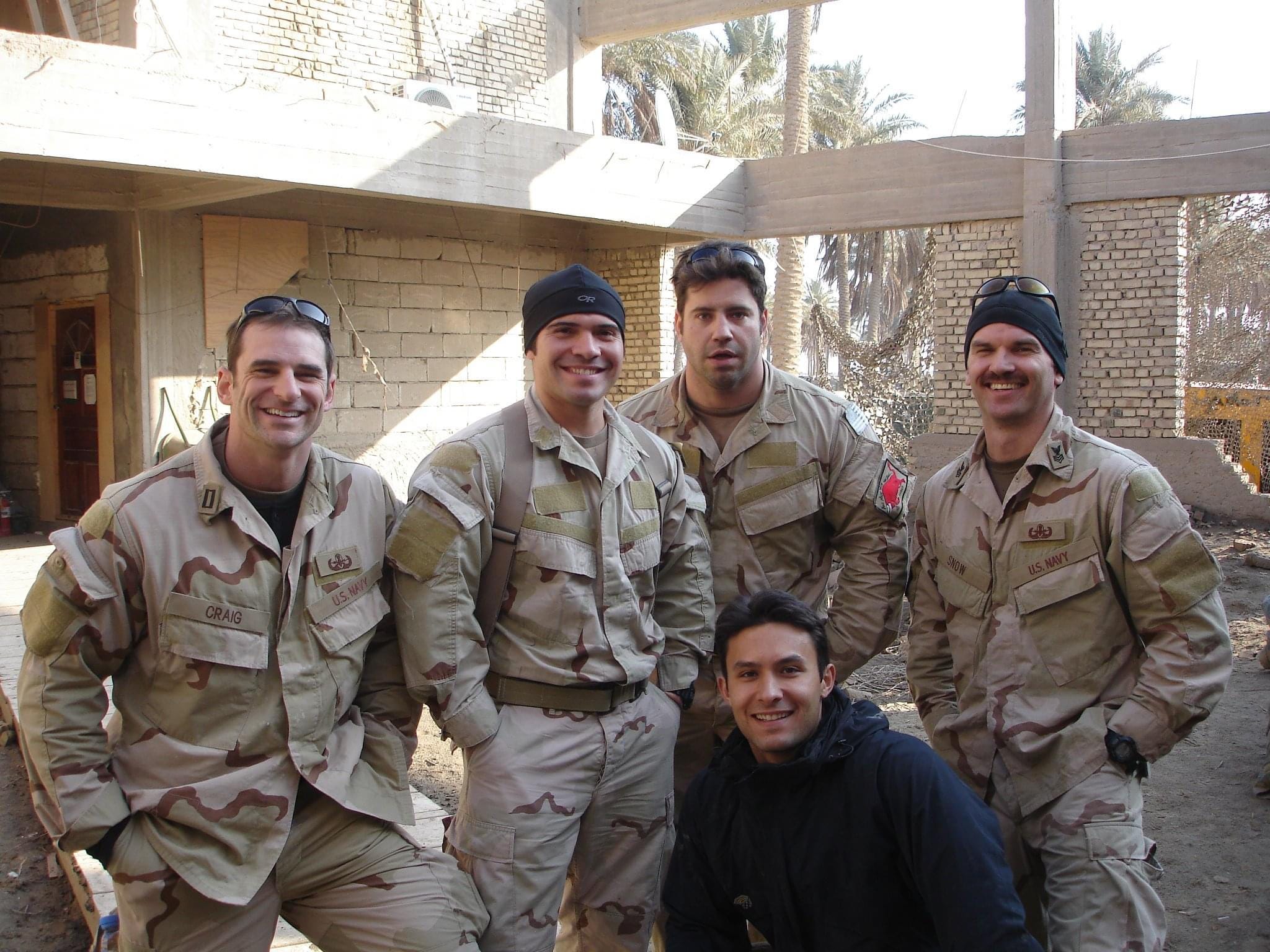
The night was ice-cold, the metal decks leeching heat from our boots until our feet stung. I was on the first of three boats. My OIC, Paul Craig, rode the second; Brad, another of the best EOD men I’ve ever known, was on the third. The sky was clear, stars sharp above us. Ancient land, ancient river—moving through it felt like slipping into history, a line of warriors stretching back centuries. I looked at the SEALs beside me, men I’d die for, men who elevated me beyond fear of death itself. Not fear of dying—but fear of how I might die, and a deeper desire to die well, for my brothers.
The sudden ambush plunged us into chaos. Heavy rounds, distinct in their lethality, tore into the dirt berm I had instinctively dived behind. The concussive force of each impact reverberated through my chest, a brutal testament to the firepower arrayed against us. Simultaneously, the gunners on our boats unleashed a furious torrent of return fire upriver, the night air alight with sparks ricocheting wildly off steel. For what felt like an eternity, but was likely only minutes, a chilling fear seized me: Paul and Brad, my comrades, were surely being ripped apart in the maelstrom. Then, like a lifeline, comms crackled to life, breaking the terrifying silence that had enveloped us. An Army Bradley had, in a grave miscalculation, mistaken us for insurgents. A sheepish, almost absurd, "My bad" filtered through, a stark, surreal welcome to Ramadi.
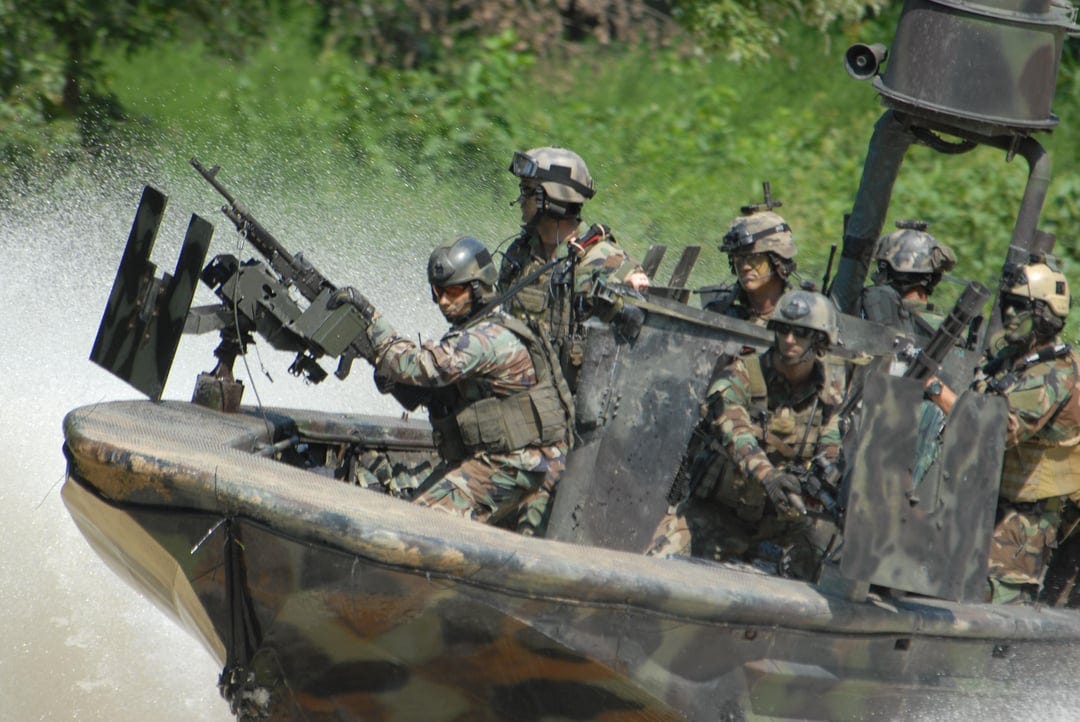
Our journey pressed onward, a relentless traverse through a landscape scarred by conflict. We navigated through desolate farmland and along roads pockmarked with craters—each one a grim reminder of a potential IED strike. Every single pothole became a silent killer, demanding meticulous scrutiny. My OIC, Brad, and I, our senses hyper-alert, methodically checked them one by one. This time, thankfully, they were clear. Upon reaching our objective, the familiar rhythm of a mission unfolded: snipers established their positions, command settled into its operational hub, and the crucial process of Iraqi recruitment began. My duties were expansive and demanding: I meticulously swept rooftops, courtyards, and vehicles, each search a testament to the ever-present threat. I interviewed local families, sifting through their words for any fragments of actionable intelligence. Always searching. Always listening. The air itself seemed to hum with unspoken dangers.
During one such vigilant watch, a sniper held his position for hours, his gaze fixed on a man subtly maneuvering boxes along a wall in a blind spot. The sniper's discipline was absolute; he refused to fire until certainty replaced doubt. Finally, he requested my assessment. Peering through a narrow crack in the wall, my eyes immediately locked onto them: lime-green tubes adorned with white fins – Yugoslavian rifle grenades, a deadly assortment of both High-Explosive Anti-Tank (HEAT) and fragmentation (frag) types. A grim familiarity settled over me; I had personally destroyed thousands of these very weapons back in 2003. The sniper’s shot followed swiftly, a sudden, decisive crack. A human life extinguished. There was no sense of triumph, no fleeting moment of glory, only the stark, undeniable weight of necessity.
Following the engagement, we meticulously secured the cache of grenades, then systematically destroyed them on our departure, leaving nothing for the enemy. A moment of intense panic ensued when Paul nearly suffocated, caught in a building that Iraqi soldiers had carelessly set ablaze. As night descended, we prepared for extraction, but the expected boats never materialized. The DSU, in a cruel twist of irony, lived up to their name: "Too shallow upriver," they declared. "No air cover either." Our options evaporated. There was no choice but to walk – a grueling eight kilometers through treacherous rural farmland to the nearest Forward Operating Base. “This is some frogman shit, brother,” my OIC whispered, his voice a low, gravelly acknowledgment of our predicament, and he was undeniably right.
We stepped into a landscape that felt ancient, biblical in its starkness – scattered patches of crops, grazing livestock, and thick, clinging mud. A cold dread settled in my stomach; I hadn't studied this specific area. We were blind, moving into unknown territory riddled with IEDs. My heart sank. IEDs, I knew, came in a terrifying variety: timed, command-detonated, victim-operated. And the insurgents, with cruel ingenuity, combined them at will. We knew the rules, the grim dance of bomb disposal, but rules held no sway if you stumbled onto the wrong patch of ground.
We pushed forward relentlessly throughout the long night, a symbiotic unit. The SEALs, their eyes constantly sweeping the shadows, scanned for enemy shooters. We, the EOD specialists, meticulously scanned the earth beneath our feet. It was a ninety/ten split, then a ten/ninety, a perfect, precarious balance designed to keep both threats—the seen and the unseen—in check.
As dawn approached, casting a deceptive light across the landscape, we reached a raised road, its surface marred by yawning potholes from previous explosions. My hair stood on end. Dawn light, I knew, played cruel tricks with night vision, often lulling the eyes into a false sense of security, convincing them that assistance was no longer needed. Paul’s voice, steady and calm, cut through the deceptive quiet over comms: “Leave your NODs on.” Thank God for his unwavering experience. I scanned the ground, my gaze unwavering, and then I saw it: a dark, almost imperceptible square, barely covered. Shane, my partner, spotted another. My point man, unknowingly, stepped directly over one. Two twelve-pound pressure plate IEDs, perfectly placed, unequivocally designed for a HUMVEE.
My world instantly narrowed, the periphery fading as my focus sharpened to an almost unbearable point. Analyze. Assess. My mind raced through the options. Circumvent? No, the mud was too deep, a treacherous bog. Remote mechanical? Too slow, the risk unacceptable. Remote explosive? Yes. That was the only viable path.
Shane had used his last charge on the rifle grenades. Without a second thought, I tossed him one of mine – a move that was, in hindsight, dangerously impulsive, risky, but in that moment, there was no time for hesitation, no luxury of rethinking. Paul’s voice, calm amidst the rising tension, cut through: “In it or on it?” He needed the net explosive weight, the critical factor for ensuring the safety of his men. “Twenty-four pounds, sir!” I shouted back, my voice surprisingly steady. He swiftly cleared the SEALs to a safe distance. Shane and I moved with practiced efficiency, laying our charges. Our eyes met, a silent acknowledgment of the shared danger and the grim task ahead, and together, we pulled the igniters.
The two minutes that followed stretched into an agonizing eternity. My mind spun, conjuring every worst-case scenario: What if one charge prematurely detonates the other? Are we truly far enough away? Are we being watched, our exposed positions a clear target? Am I, at this very moment, sitting on another hidden IED?
Then— BOOM. BOOM. The twin explosions ripped through the pre-dawn quiet, a thunderous release of destructive energy. Both devices were gone, obliterated. Shrapnel, a metallic rain, pinged down around us, a chilling reminder of the raw power we had just unleashed and survived. We checked, re-checked, our meticulous process ensuring every fragment of doubt was banished. Clear. Safe. Forward.
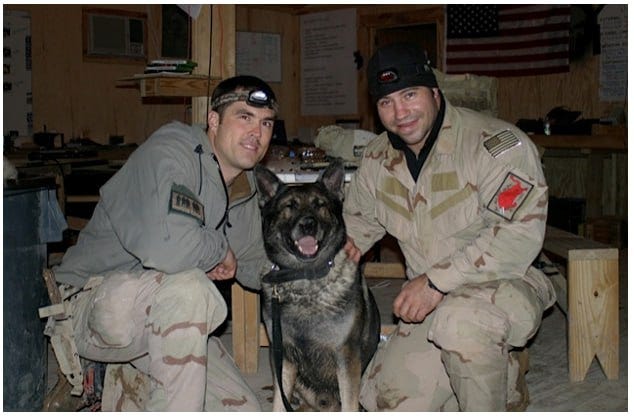
Upon reaching the FOB, Morgan Luttrell, one of the SEALs, met me with a bone-crushing bear hug, lifting me clean off the ground – all 230 pounds of me, stripped of my gear. A palpable sense of pride radiated from the SEALs, a quiet admiration. For once, they had witnessed their EOD guys work exposed, had watched us confront and tame the monster head-on, in the searing light of day.
That mission, that crucible in Ramadi, irrevocably changed me. It fundamentally reshaped how I analyzed situations, how I taught, and how I led. EOD, at its core, is a profession of relentless reflection – a constant, internal interrogation: What did I miss? What could I have done safer? What would my community, my brotherhood of bomb technicians, think of my actions? We do not accept luck as a factor in our survival or success. Instead, we demand unwavering process, absolute precision, and unyielding professionalism in every action we undertake.
Ramadi, 2006, taught me that the explosive threat is not merely a technical challenge; it is, at its deepest level, a profound moral one. To come face to face with an evil so monstrous, so utterly willing to transform animals, innocent children, and the mundane objects of daily life into instruments of death – that was to stare unflinchingly into humanity’s abyss. And to stand against it, armed with nothing more than our intellect, unwavering discipline, and the unwavering presence of brothers beside us – that, then, was our steadfast answer.
I've never served in our military, this lifetime. Hearing such stories of having to be ALWAYS cognizant of impending attacks & explosions WOULD BE horrific for both the people & military trying to protect the innocent. Learning recently of the BUSH /CLINTON /OBAMA cartel mafia families that CAUSED & PERPETUATED such human misery for THEIR profit is unforgiveable.
How about another one of those harrowing stories?